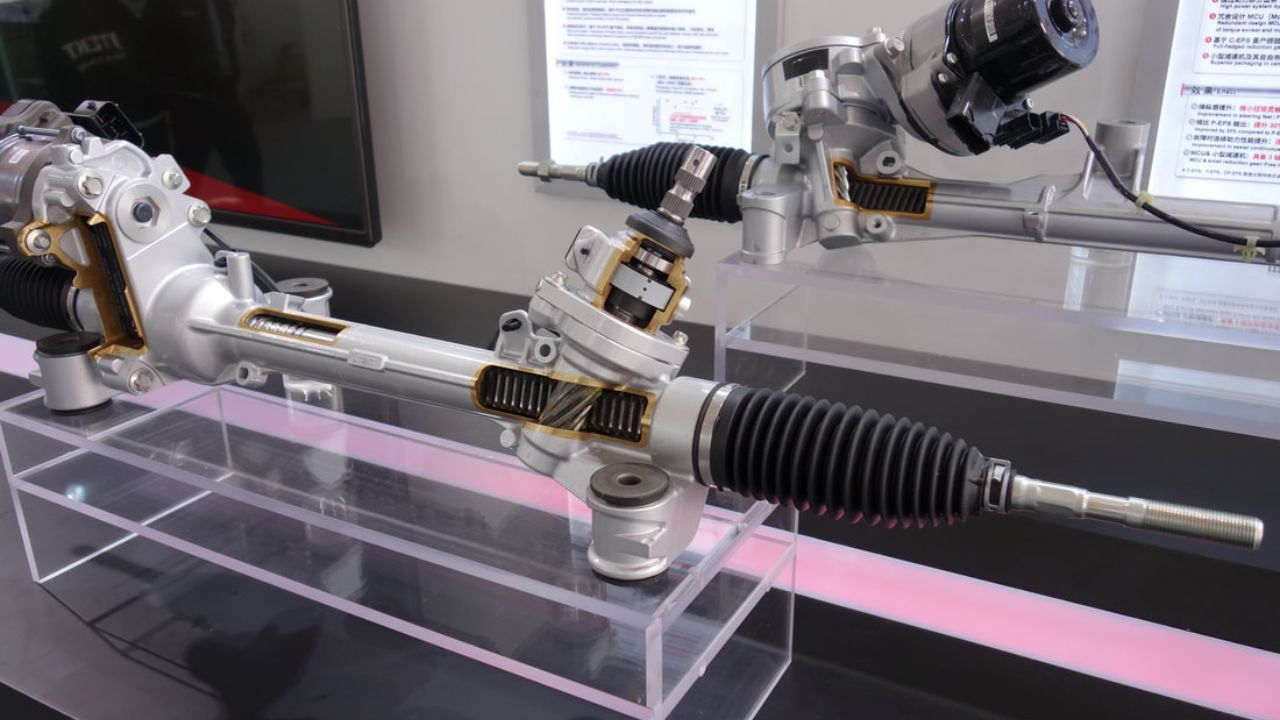
Accuracy and durability in the contemporary automotive sector shape the viability of the parts in a vehicle, and the Electric Power steering belt (EPS) is one of the key parts. The EPS Belt is core in making the steering of both electric and hybrid cars responsive and effortless. With the developments of less energy-consuming and smarter vehicles, EPS belts have found their way to becoming a part of the steering performance to give the car a quiet, efficient, and reliable steering. Advanced materials and engineering precision are the main factors that make these belts useful in the modern driving experience of comfort and control.
Perfect Electric Power Steering Systems
Electric power steering systems substitute the traditional hydraulic mechanism with an electric motor, which assists steering by means of a belt-driven system. The EPS belt is the connection between the motor and the steering. It is the transference of torque that will help when the driver turns the wheel. In off-axis servo unit systems, the motor is mounted at the side of the rack unit and pulls the ball screw mechanism with the EPS belt. Such a design enables the creation of a more efficient, less energy-consuming, and more responsive car.
Precision Tooth Design and Engineering
The most remarkable characteristic about EPS belts is the special design of their teeth. These belts are made with oblique, or slanted teeth, which ensure that there is smooth engagement with the pulleys and the noise and vibration are minimal during usage. Such a novel design not only increases audio comfort but also leads to a greater overall steering precision. The manufacturer avoids tooth leaping or misalignment and makes the transfer of torque consistent, even in the presence of high load conditions. This level of engineering accuracy enables EPS systems to provide the fineness and real-time response required by high-end automotive brands.
Strength and Environmental Stress
The modern EPS belts are characterized by durability. Designed to survive temperature extremes, EPDM-based belts are able to preserve structural integrity even in extreme climatic conditions. Likewise, the HNBR belts have high heat, oil, and abrasion resistance, which makes them applicable in harsh environments. With time, the usual rubber belts are likely to deteriorate because of environmental exposure that causes the belts to perform poorly during steering or even cause failure. Nevertheless, the high technology of EPS belt compounds guarantees the long life of the product, which has fewer maintenance requirements and has a steady service performance during the lifetime of the vehicle.
Applications and Compatibility
The EPS belts are employed in a diverse variety of vehicles such as passenger motor vehicles, light commercial vehicles, hybrids, and electric vehicles. They are applicable both in original equipment and aftermarket replacement since they are, as far as performance is concerned, identical to OEM standards. These belts are easily compatible and easy to install with custom sizes and configurations, allowing them to be carefully sized to fit certain EPS systems to ensure reliability.
Benefits of Gear-Based Systems
Belt-driven EPS units are more efficient and less noisy than gear-driven systems. The efficiency of the vehicle is added by the fact that its light weight saves energy, which otherwise would be spent on power generation. The curved tooth shape also reduces vibration and crudity, which enhances the comfort of the steering. Moreover, there are no requirements for lubricated parts such as gears, and hence, the belt-based systems are less expensive and less damaging to the environment.
General Failure Modes and Replacement Solutions
Although the EPS belts are very strong, they wear out with time, especially when they are exposed to the environment and mechanical factors. One of the most frequent causes of the failure of electric rack and trap assemblies is a breakdown of the belt. The failure of a belt may affect the entire performance of the steering system. To meet this, replacement EPS belts that are targeted at meeting the OEM specification are provided by manufacturers like ZZR in a variety of sizes. These replacement belts assist in the restoration of original functionality as well as increase the life of the power steering system without full replacement of the entire unit.
Conclusion
EPS belts are an embodiment of the accuracy, performance, and strength demanded in present-day automotive engineering. Using a combination of high-performance materials, new tooth designs, and design perfection, they achieve easy and safe steering control during different driving conditions. Since electric and hybrid cars are likely to occupy the market more often, the importance of EPS belts in providing steering services that are quiet, precise, and economical will only increase. It is their capability to combine mechanical accuracy with material durability that makes them the backbone of modern car technology, safety, comfort, and performance on every trip.